


Why Compact Trees Win on Coastal Plots
On a coastal smallholding, wind is the constant. Salt-laden gales strip buds, burn leaf margins and snap anything tall and sappy. The obvious answer is a great slab of conifer hedging, but that would swallow your sea view and throw shade across the kitchen garden for half the year. Dwarf and small trees, or large evergreen shrubs trained as standards, give you something far more useful: a 2–3 metre screen that slows the wind, hides the boundary, and still lets you watch weather coming in off the water.
The trick is to think in layers rather than walls. Aim for a screen that is roughly half permeable. A solid barrier creates fierce turbulence on its lee side; a loose, leafy screen filters the wind and shelters a distance downwind of ten to fifteen times its height. On a half-acre plot, two or three rows of well-chosen small trees will look after the whole garden.
Species That Shrug Off Salt and Gale
Start with a spine of tough natives, then add evergreens for winter privacy. Good, hard-working choices for exposed UK coastal plots include:
- Hawthorn – grown as a half-standard at 2.5m, it is wind-firm, thorny and dense, with May blossom for the bees.
- Blackthorn – even denser and more impenetrable, plus sloes in autumn.
- Hazel – coppiced on a three-to-five-year rotation, it stays at 2m and supplies pea sticks and kindling.
- Crab apple – a compact 3m tree with blossom and fruit for jelly.
- Griselinia littoralis – the coastal evergreen par excellence; bright apple-green, clips beautifully to 2–3m.
- Olearia traversii – grey-green and exceptionally salt-tolerant, it makes a tight, windproof hedge.
- Escallonia – evergreen, glossy and flowering pink in summer, happiest at 1.5–2m.
- Holly and yew – slow, dense and clip-tolerant; keep yew away from livestock, as it is poisonous.
- Pinus mugo – the dwarf mountain pine, superb on thin sandy ground and happy in full salt spray.
Sea buckthorn is superbly wind and salt tolerant, but it suckers aggressively. Plant it only where you can mow a wide strip around it, or it will march into the vegetable beds.
Shelter Without Shade or Lost Views
Put your structural screen on the prevailing wind side – usually south-west or west – and deliberately leave the seaward side open. Rather than a continuous line, stagger two rows with a planted offset, which is far more effective than a single thin hedge.
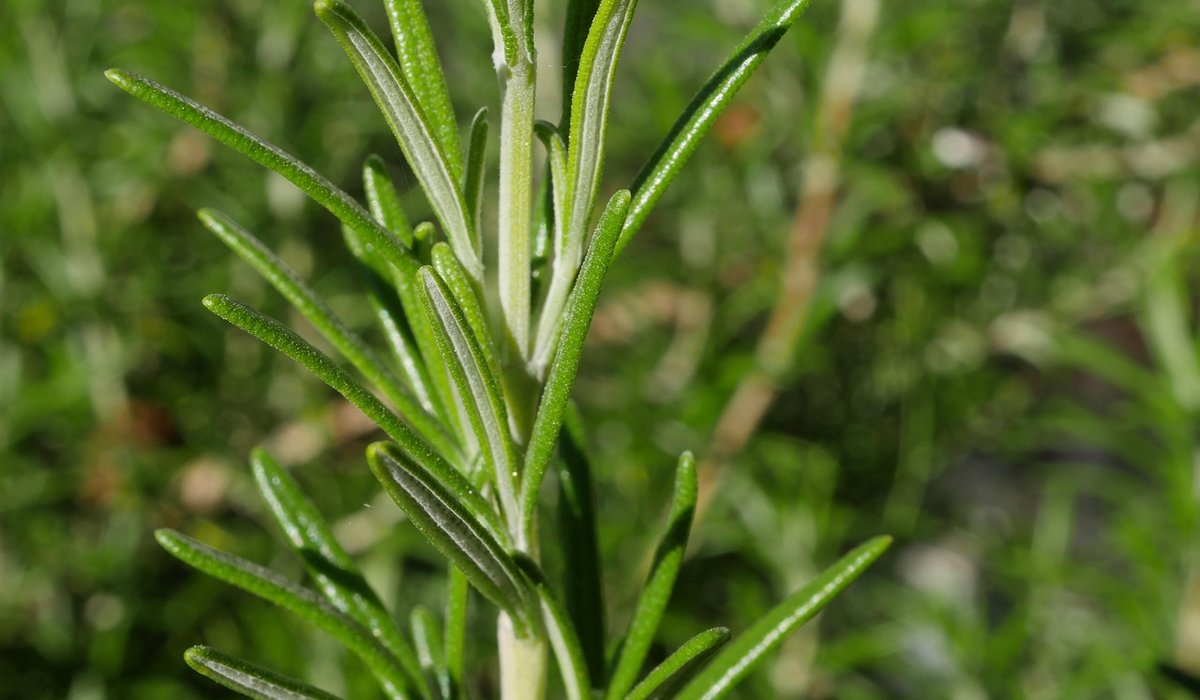
For the view itself, build in a view window: a section of low hedging at 1m using escallonia, rosemary or sea thrift, framed either side by taller griselinias acting like curtains. You keep the vista and still break the wind at ground level.
Watch the sun, too. A 2m screen casts a shadow a little more than twice its height at midwinter. Keep your tallest planting to the north and east of the kitchen garden, and use pleached or espaliered trees along a boundary: a narrow 50cm root strip, with the canopy lifted to 2m so you can still walk beneath and grow salads in the shade.
Planting for Wind, Salt and Thin Soil
Coastal ground is often shallow, sandy or shingle-rich and quick to dry. Autumn is the moment to plant bare-root whips; evergreens are best moved in spring once the soil has warmed.
- Dig a planting pocket no deeper than the rootball, and widen it rather than deepen it.
- Improve with well-rotted compost and a handful of seaweed meal; do not enrich heavily, or you will get soft growth the wind shreds.
- Stake with a single short stake and a low tie, allowing the trunk to flex. Movement builds a stronger root plate.
- Erect 50% windbreak netting or chestnut pales on the seaward side for the first two winters.
- Mulch 5–8cm deep with compost or bark, keeping it clear of the stem, and water through the first two summers.
On pure shingle, build a soil pocket first and plant into that, rather than trying to improve the beach.
Keeping Them Dwarf: Pruning, Spacing and Roots
Spacing does most of the work. Set clipped evergreens 60–90cm apart for a dense screen, and small standards 2–3m apart so they have room to fill out.
Timing matters on the coast. Clip escallonia and olearia straight after flowering in July or August, so you are not cutting off next year's buds. Trim griselinia and holly in late spring and again in late summer. Leave yew until late summer. Never take shears to an evergreen during a frost – on exposed sites, wait until early May.
Prune deciduous natives in winter, and coppice hazel on rotation. Keep the whole screen topped at 2–2.5m; any higher and you lose light without gaining much extra shelter. Where sea buckthorn is used, mow a 1m strip around it each year or fit a root barrier at planting.
Underplanting and Aftercare
A screen looks twice as good with a working base. Underplant with rosemary, lavender on sharply drained mounds, sea thrift, hardy geranium and Fuchsia magellanica – all salt-hardy and useful to pollinators.
After a gale, expect brown leaf margins on the seaward face. Do not panic and feed heavily; a light spring dressing of seaweed meal or blood, fish and bone is plenty. Flush container-grown specimens with fresh water if salt crusts appear on the surface. Finally, replace any losses promptly and keep the windward face thickest: a small gap in the wrong place will funnel wind straight at your polytunnel.


Leave a reply